
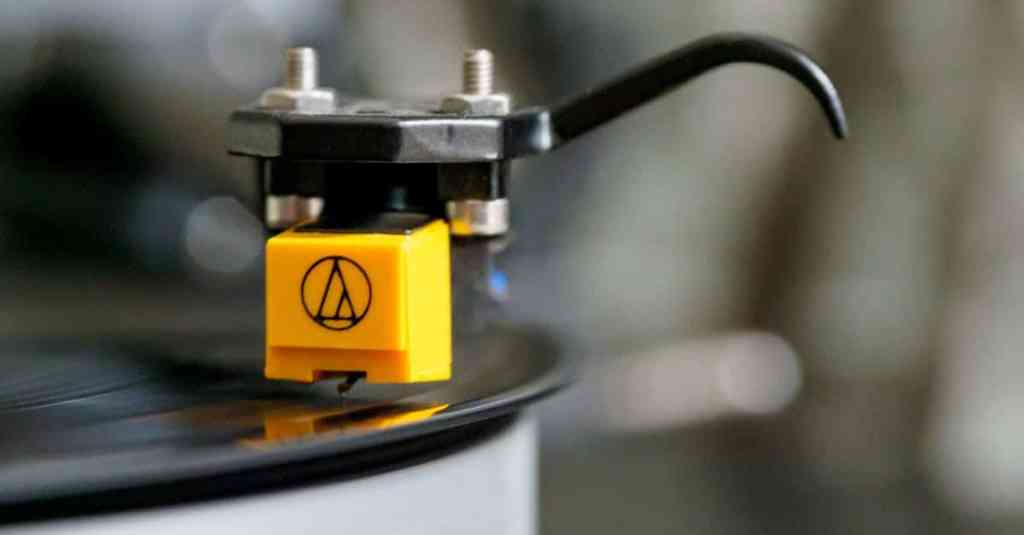
Best Turntable Cartridges for Beginners: Finding the Right Sound
No matter how you got here, whether it’s a vintage table pulled from a secondhand shop or a newer wireless setup that made the jump into vinyl feel easy, you’ll likely reach the same point.
You start to wonder what could sound better.
It doesn’t take long. A few records in, and the idea of making a small change, something simple, something intentional, starts to settle in. Not a full system overhaul. Just a tweak. A way to bring things a little closer to what you think it should sound like.
The cartridge is one of the easiest places to start.
For many, that first upgrade lands somewhere under $100 and that’s more than enough to hear a difference. It’s also one of the most meaningful. This is where the physical connection happens, where the groove becomes sound and even small changes here can shift how a record feels in the room.
When people search for the best turntable cartridges for beginners, what they’re really asking is whether this is the place to start and if it’s something they’ll actually hear.
It is.
Not because you need the best, but because this is one of the few changes that immediately brings you closer to the music in a way you can actually hear.
What a Cartridge Actually Changes
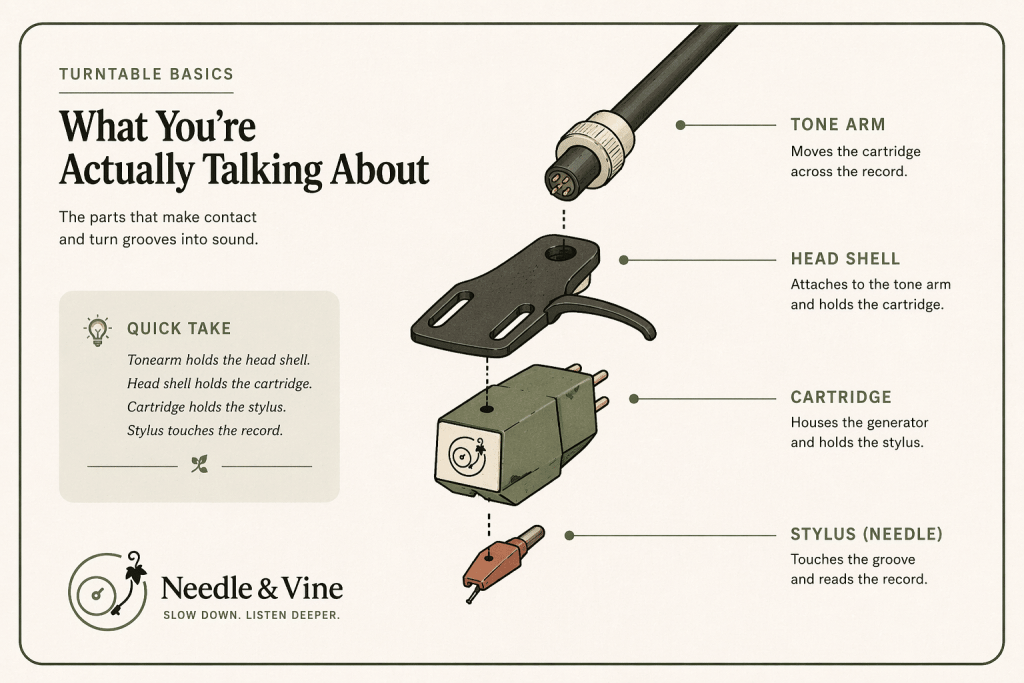
It’s easy to think of the cartridge as just another component. Something small. Something interchangeable. But it doesn’t really behave that way.
This is the point where your system makes contact with the record. Where everything in the groove is translated into something you can actually hear. And because of that, even small differences here tend to show up immediately.
Not as specs. As feel.
Some cartridges lean warmer. The low end feels a little fuller, the edges a little softer, the kind of sound that invites you to stay with a record longer than you planned. Others are more forward. Brighter. More detailed. You start to notice separation between instruments, the texture of a vocal, the space around things that used to sit closer together.
Neither is right or wrong.
When people talk about finding the best cartridge for a record player, they’re usually chasing one of those directions, even if they don’t describe it that way. More clarity. More weight. More presence. Something that brings the system closer to what they expected when they first set it up.
That’s really what changes here.
Not just how it sounds, but how it holds your attention.
Moving Magnet vs Moving Coil
This is usually where things start to feel more complicated than they need to be.
In reality, most setups only need a simple answer.
There are two main types of cartridges: moving magnet (MM) and moving coil (MC). Both do the same job, translating what’s in the groove into sound, but they go about it a little differently.
Moving magnet cartridges are the more common starting point. They’re easier to work with, more forgiving, and in most cases, allow you to replace just the stylus instead of the entire cartridge. That alone makes them practical if you’re still figuring out what you like.
Moving coil cartridges tend to lean more toward detail and precision. They can sound more open, more refined, but they also come with tradeoffs. Higher cost, lower output, and in many cases, a need for more specialized equipment to get the most out of them.
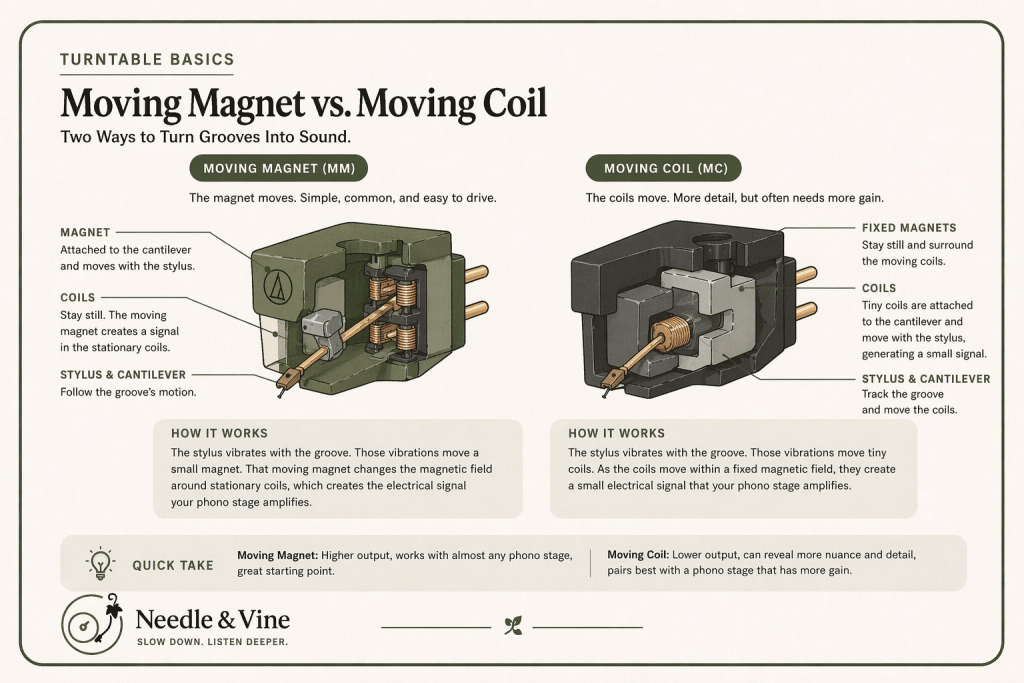
For most people setting up their first system, moving magnet is where you want to be.
Not because it’s “entry level,” but because it gives you room to learn. To swap a stylus, make small changes, and understand how those changes actually affect what you’re hearing.
That flexibility matters more than chasing something technically better on paper.
You can always move into moving coil later.
But you don’t need to start there.
What to Look for in Your First Cartridge
This is where it’s easy to get pulled into specs.
Tracking force ranges, output levels, stylus profiles, none of it is wrong to pay attention to. But if you’re just getting started, the goal isn’t to optimize everything. It’s to choose something that fits your setup and gives you a clear step forward.
A few things matter more than the rest.
Compatibility Comes First
Not every cartridge works seamlessly with every tonearm or headshell. Most modern setups and a lot of vintage ones use a standard mount, which keeps things simple. If your turntable has a removable headshell, you’re already in a good place. It means swapping cartridges later is straightforward.
Output Level and System Matching
If you’re running through a built-in phono stage or something like a Sonos line-in setup, a standard moving magnet cartridge will give you the signal strength you need without extra equipment. This is another reason most people start there.
Stylus Shape (Conical vs Elliptical)
You’ll see terms like conical and elliptical. At a high level, elliptical styli tend to pull more detail from the groove, while conical options are a little more forgiving, especially on worn records. Neither is wrong. It depends on what you’re playing and what you value.
Tracking Ability and Record Wear
A cartridge that tracks well stays planted in the groove. That means fewer distortions, less wear on your records, and a more stable sound overall. It’s one of those things you don’t always notice until it’s not there.
If you’re searching for the best turntable cartridge under 100, most of the strong options will check these boxes without asking much from the rest of your system.
That’s really the goal here.
Not perfection. Just a setup that feels balanced, plays cleanly, and gives you a reason to keep listening.
Our Recommended Cartridges (Real-World Picks)
This is where things start to come together.
Not in theory, but in practice, what actually works, what people tend to stay with, and what feels like a meaningful step forward without overthinking it.
You don’t need a long list.
A few well-chosen options at the right price points will take you further than chasing small differences across dozens of models. The goal here is to give you a place to start, and a sense of where things begin to open up.
(Affiliate links are included below, but like all recommendations here, they’re about usefulness, not hype.)
Entry Level (Start Here)
If you’re just getting going, this is where most setups should begin. For many, that first upgrade lands somewhere under $100 and that’s more than enough to hear a difference.
These cartridges are simple, reliable, and forgiving. They don’t ask much from your system, and they won’t punish less-than-perfect records. More importantly, they give you a baseline, something you can live with while you figure out what you want to change later.
- A common starting point for a reason. Warm, easygoing, and surprisingly capable for the price. It won’t pull every detail from the groove, but it keeps things listenable across a wide range of records.
- A step up in refinement while staying firmly in budget territory. Still forgiving, but a little more controlled and balanced than the 3600L.
This tier isn’t about chasing detail. It’s about getting comfortable with your setup and understanding what changes actually matter.
The Sweet Spot (Where Things Open Up)
This is where most people end up and stay for a while.
You start to hear more separation, more clarity, and a better sense of space. Records feel a little more defined without losing the ease that makes vinyl enjoyable in the first place.
If you’re going to make one upgrade early on, this is usually the one that sticks. If you’re deciding between Audio-Technica vs Ortofon cartridges, this is where those differences start to become noticeable.
- Clean, balanced, and easy to work with. The elliptical stylus brings out more detail without making things feel sharp. A very safe, very satisfying upgrade.
- A step further in refinement. More detail and smoother tracking, while still keeping the balance and ease that make the VM95 line so approachable.
- More forward in presentation. Brighter, a little more energetic. A good fit if you want vocals and lead instruments to stand out.
This is where your system starts to feel intentional.
Stepping Up (When You Know What You Want)
By this point, you’re not guessing anymore.
You’ve listened enough to know what you want more of, whether that’s detail, warmth, or tracking ability and you’re ready to lean into it.
- A noticeable jump in clarity and separation. More revealing, which can be great on clean records and a little less forgiving on worn ones.
- Known for its tracking ability and precision. Pulls a lot from the groove, especially on inner tracks where cheaper styli tend to struggle.
- Slightly warmer in presentation with a smooth, easy character. A good fit if you prefer a more relaxed, less analytical sound.
This tier isn’t necessary to enjoy your system. But once you know what you’re listening for, it starts to make sense.
The important thing across all of this is that none of these are final decisions.
They’re steps.
Each one gives you a clearer sense of what you like—and what you want to hear more of the next time you make a change.
When It’s Time for a Turntable Cartridge Upgrade
This usually doesn’t happen all at once.
There’s no moment where the system suddenly feels wrong. It’s more subtle than that. You start noticing small things, something feels a little flat or a little closed in. Maybe certain records don’t hit the way you expect them to.
Or maybe everything sounds fine… until you hear something better. That’s usually the turning point.
At some stage, every setup reaches the question of a turntable cartridge upgrade. Not because something is broken, but because you’ve started to understand what you’re listening for.
For me, that shift happened pretty quickly.
My most recent vintage turntable, the Pioneer PL-12D, came with a very basic cartridge. It worked. Nothing distracting, nothing obviously wrong. But after a few records, it became clear that it wasn’t really keeping up with the rest of the system.
Moving to something like the VM95E didn’t change everything, but it changed enough.
There was more separation. Vocals sat a little more clearly in the mix. Instruments had space instead of stacking on top of each other. It didn’t feel like a different system. It just felt more settled.
That’s usually what a good upgrade does.
Not dramatic. Just better in ways that make you stop thinking about the setup and stay with the record a little longer.
If you’re wondering whether it’s time, a few signs tend to show up:
- You’re listening more closely, and noticing limitations
- You’ve improved other parts of your setup (speakers, placement, cleaning)
- You find yourself curious about what more detail or balance might sound like
If that’s the case, it’s probably worth exploring.
Not to chase perfection. Just to take the next step.
Setup Matters More Than the Cartridge
It’s easy to focus on the cartridge.
It’s visible. It’s tangible. It feels like a clear upgrade path. But in practice, how that cartridge is set up will have just as much impact as the cartridge itself, sometimes more. A well-aligned entry-level cartridge will almost always outperform a higher-end one that’s been dropped in without much thought.
It doesn’t take much to get this right.
Tracking force should be set within the recommended range. Not guessed, not approximated, set with intention. Too light, and the stylus struggles to stay planted in the groove. Too heavy, and you start introducing unnecessary wear.
Anti-skate helps keep things balanced across the record. It’s a small adjustment, but it keeps the stylus centered, especially as it moves toward the inner grooves.
Alignment is where things really come together. Even getting reasonably close makes a difference. This is where tools like an overhang gauge, something included with tables like the Pioneer PL-12D, quietly do a lot of work. They remove the guesswork and help the cartridge sit where it’s supposed to.
You don’t need perfection. But you do need consistency.
Because this is what allows the cartridge to do its job properly. It’s what keeps the sound stable, the records protected, and the system feeling balanced from the first track to the last.
It’s also the part most people skip.
And usually the one worth coming back to before making the next upgrade.
Final Note
There isn’t a perfect cartridge. There isn’t a final choice that locks everything into place.
What you’re really doing here is learning how your system responds, what changes matter, what doesn’t, and what kind of sound keeps you engaged long enough to flip the record without thinking about it.
That first cartridge decision isn’t about getting it right. It’s about getting started.
Something simple, well-matched to your setup, and set up properly will take you further than chasing small differences too early. And once you’ve lived with it for a while, the next step tends to make more sense on its own.
That’s how most systems come together.
One small change at a time, each one a little more intentional than the last.
If you find yourself wanting to keep going, to hear a little more, to adjust and refine that’s a good sign.
It means you’re listening.
If you’re just getting started, you might also find it helpful to spend a little time with our guide on what to do after setting up your turntable. It walks through the pieces that tend to matter most once everything is in place and helps you get more out of the system you already have.